With the knowledge that I’m now on my way towards some kind of leadership or coaching qualification, I became acutely aware that I can’t roll a kayak. Wouldn’t know where to start. But actually, this came about because I was looking at doing my PRS training, which was still called FSRT when I started looking into doing it. By accident, I stumbled upon a club that did Sunday pool sessions where you could practice rolling. Well, why not?
It was in the swimming pool of the sort of school set in parkland. Well, to be fair, my own school was a bit like that. Our swimming pool was underneath two mobile classrooms, though – or at least, it was in my day. I have no idea if rooms 49 and 50 are even still there, let alone whether there’s an abandoned swimming pool still under there. The problem with pool sessions at this sort of place is that I have no idea where I’m going. It feels wrong to be driving onto school grounds, then you’ve got to figure out by yourself where the pool is, where you can park and how to get to the pool from the car park. Luckily, I was followed by a man in a small pick-up truck who was also there for the roll session and we were greeted by one of the instructors and led straight across the track to the pool.
There were three of us. The man had attended a couple of these sessions previously and had managed a roll. That didn’t sound promising, that he’d managed it once or twice after one or two sessions. I knew it was difficult – the instructors down at Studland can’t do it but perhaps that’s because a 17-foot kayak in still water just isn’t designed to roll. Maybe if there are waves to provide a bit of movement, or a kayak in a different shape, maybe that’s what makes the difference.
We started with just being in the water while we waited for everyone else to arrive. It’s a nice warm pool and it feels really weird to be in it wearing my kayaking t-shirt aka rash vest. Mine is a little on the large side because I can’t abide things touching my neck, so it drags a little bit when it’s not held in place by a wetsuit or buoyancy aid. Then we were given kayaks and we launched from the side, with a little shuffle and a little push. Surprise surprise, not the massive sea kayaks I’m accustomed to but smaller things that I suspect are more for the likes of whitewater. I know nothing about whitewater. I’m a sea kayaker, and a sea kayaker in sheltered water in calm weather.
I very quickly realised this wasn’t going to be a rolling session for me. This was going to be a getting-used-to-capsizing-again session. I just don’t like being upside down. I don’t like the way the water goes up my nose, I don’t like how it stings, I don’t like being disoriented as I come up and crash into the kayak. I know seawater doesn’t contain chlorine and won’t burn but I’d still rather practice in a pool. I did have a go at the rolling techniques, the hip flicks, the letting the kayak tip as far over as possible before trying to flip it back, leaning on the poolside and trying not to crack my skull if I tipped too far but rolling wasn’t going to be for me.
So we went back to getting comfortable being under the water. I capsized and escaped, towed the kayak to the side, drained it, got back in, did it again. I learned to tip or be tipped over and have the instructor flip me back up again. In short, I had a repeat of the session I’d had at Reading eighteen months earlier. I’m sure I even practiced my support strokes. Now I’m getting into paddlestagram, I’ve seen people using the low brace for real on waves and I can see how it’s supposed to work when the water is acting like it’s supposed to. It’s very different to trying to do it in a pool or on a millpond.
Just like last time, we got to the point where I was coming up giggling. That’s progress. The fact that it’s progress I achieved eighteen months earlier is neither here nor there. Perhaps what I need to do is book a private instructor and go out on Studland in the summer and spend a couple of hours doing this on the sea before I really feel comfortable. I need to do it in a kayak I use regularly, so the long thin green sea kayaks or the boathouse’s Jives, I need to learn just how far I can let each one tip before I fall in and maybe I need to have a little go at kayak surfing. I don’t think we have a lot of that round my way. I’ve looked at all the courses offered within about 70 miles and there are plenty of assorted sea kayaking courses but no mention of surf. I guess the south coast is just too sheltered but it would be nice to see what it’s like to ride something a bit bouncier and try out my support strokes for real, as they’re meant to be done.
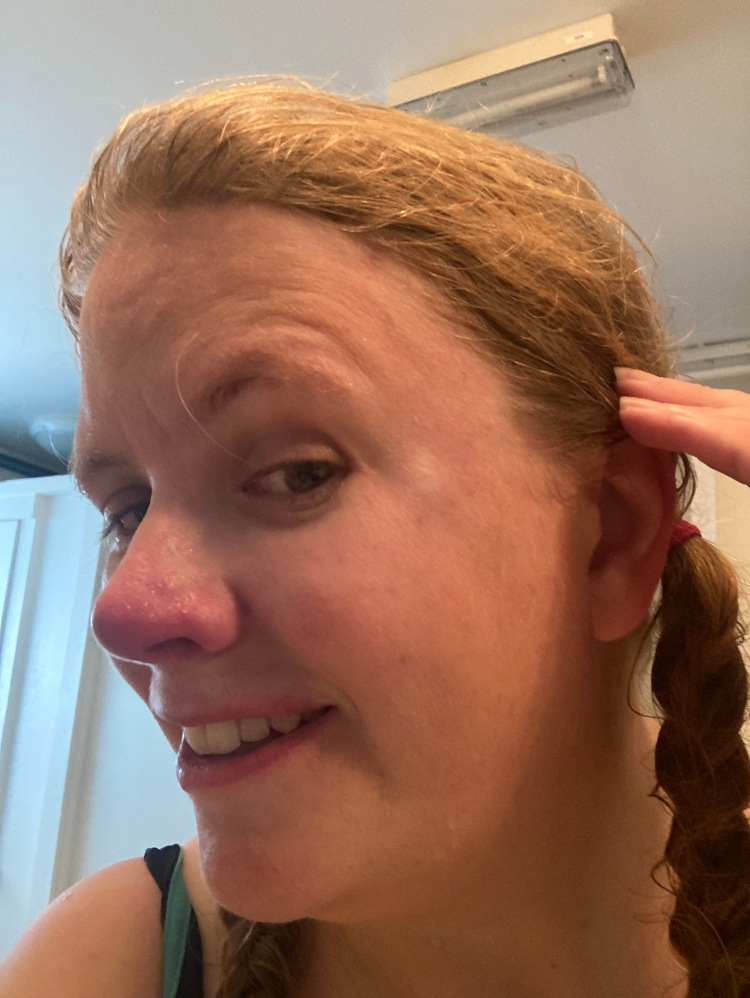
But there was one thing I realised. I felt infinitely more comfortable surfacing when I hadn’t been intending to capsize. Less water in my nose, less disoriented, less half-drowned. When I take a deep breath and deliberately lean sideways until the kayak turns over, it feels unpleasant. When I underestimate my movements or don’t realise there’s an instructor behind me about to tip me over, when I don’t take that deep breath, it feels so much less uncomfortable. That’s a good thing, I guess, because when the sea does it to you, you’re not always going to know it’s coming and if you’re more comfortable when it’s unexpected than when you’ve done it deliberately, I think that’s a good omen. But I’m still going to need a lot more practice before I can take any kind of serious leadership role.
 Bumblebee Paddles