Summer is approaching, I’m at the boathouse right as this post goes live and summer holidayers are starting to look speculatively at the water. Paddling is a joy but how do you get started?
Go on a guided tour with a professional
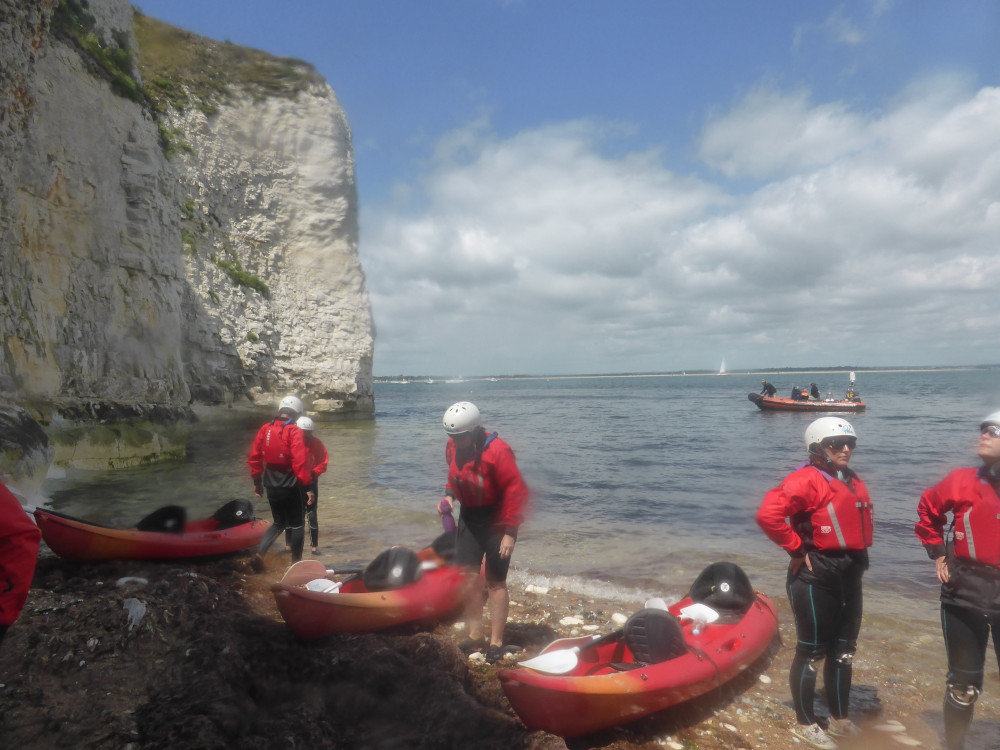
The absolute best way to get started on the water is to go with a professional – at this early stage, you have no idea what you don’t know and the best way to keep safe when you don’t know how to keep safe is to go with someone who does. Most seaside towns will have some kind of tour guide who will take you out for a fun trip, maybe to see a particular bit of the coast or some wildlife. They’ll provide all the equipment, they’ll provide someone who’s familiar with the water and familiar with equipment and qualified to lead the group and maybe once you come back, you’ll know the basics – like the fact that you always need a buoyancy aid – and you’ll be ready to move on to taking your paddling a little further.
Hire a SUP/kayak
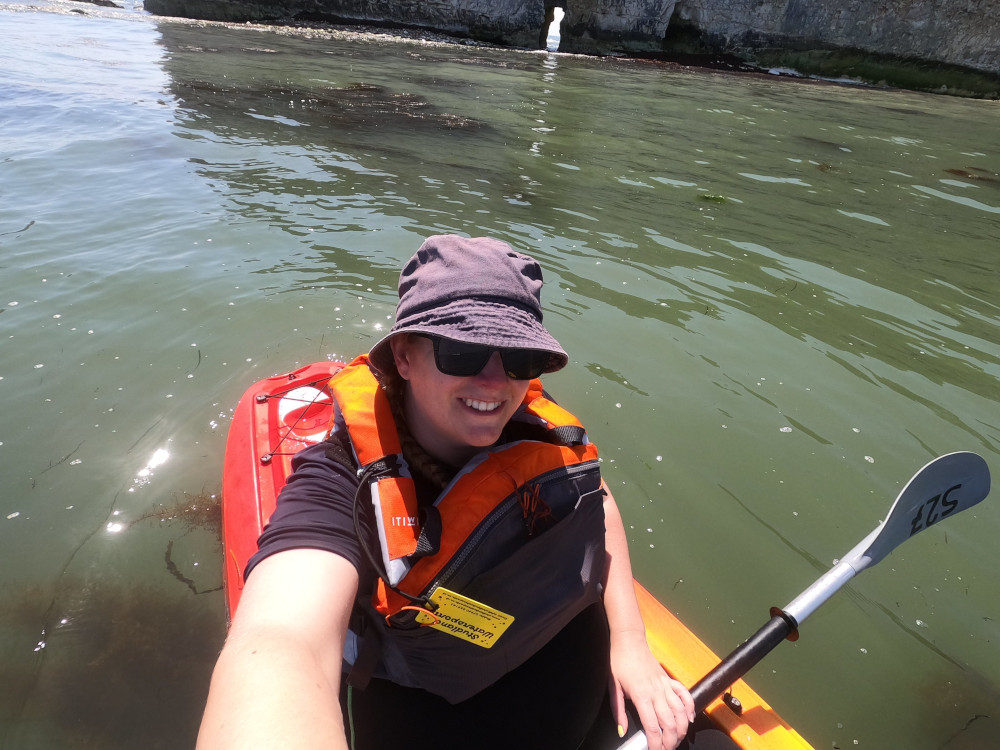
This is another good option if you’d rather do your own thing than be under the eye of a stranger. Any hire company worth their salt will provide a buoyancy aid as the very most basic of safety precautions. Please don’t take it off the moment you’re out of their sight! (I’ve seen people do this!) They’ll probably give you their phone number in case of problems, either on the craft or on a tag and if you have your phone in a waterproof case with you, you can call them. They’ll also most likely have a restricted area where you can take the SUP or kayak (or pedalo or swan-shaped boat or whatever) which will most likely be within sight of their office and well away from any major hazards.
Take a lesson
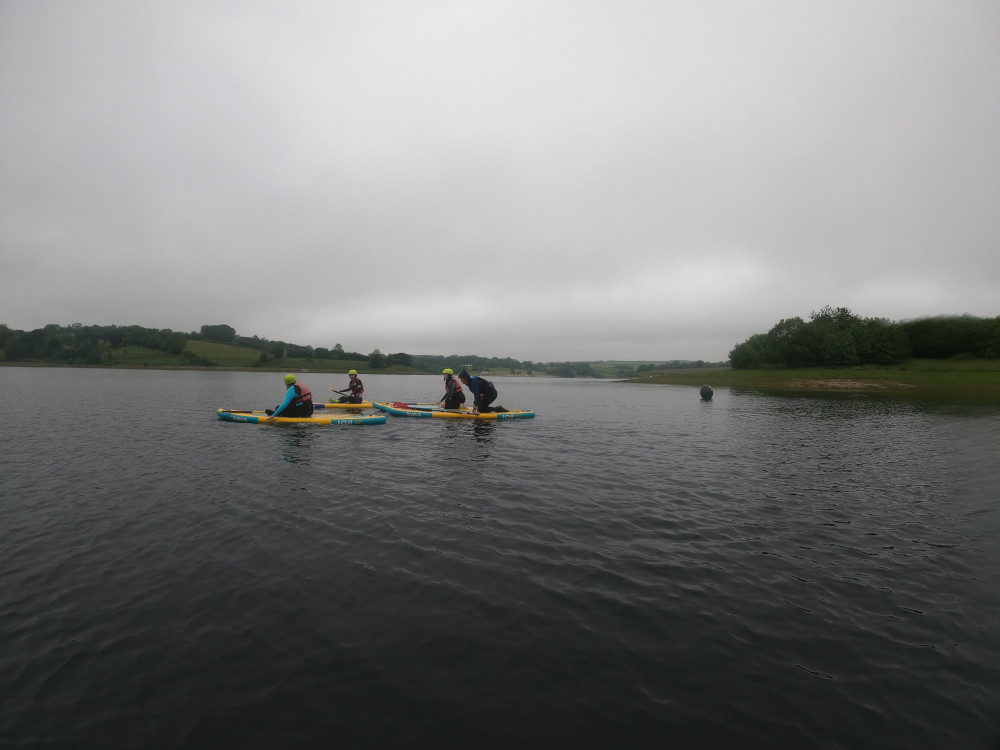
If you want to continue paddling beyond your beach holiday, there are companies up and down the country who will run a beginner’s or taster session for you. That commercial day trip provider or hire company will almost certainly know who you should get in touch with. Lessons can range from an hour’s taster covering the absolute all the way up to a full day or even two day course giving you a qualification. It’s always a good idea to learn at least the basics if you have any intention of going out on your own – I had no idea how to use a SUP paddle to keep my board going in a reasonably straight line without thrashing from one side to the other, and I learned that in under five minutes from a “have a go” session on a camping holiday. Of course, safety always comes first but the more capable you are of handling your craft, the safer you’ll be and the more fun you’ll have.
Join a club
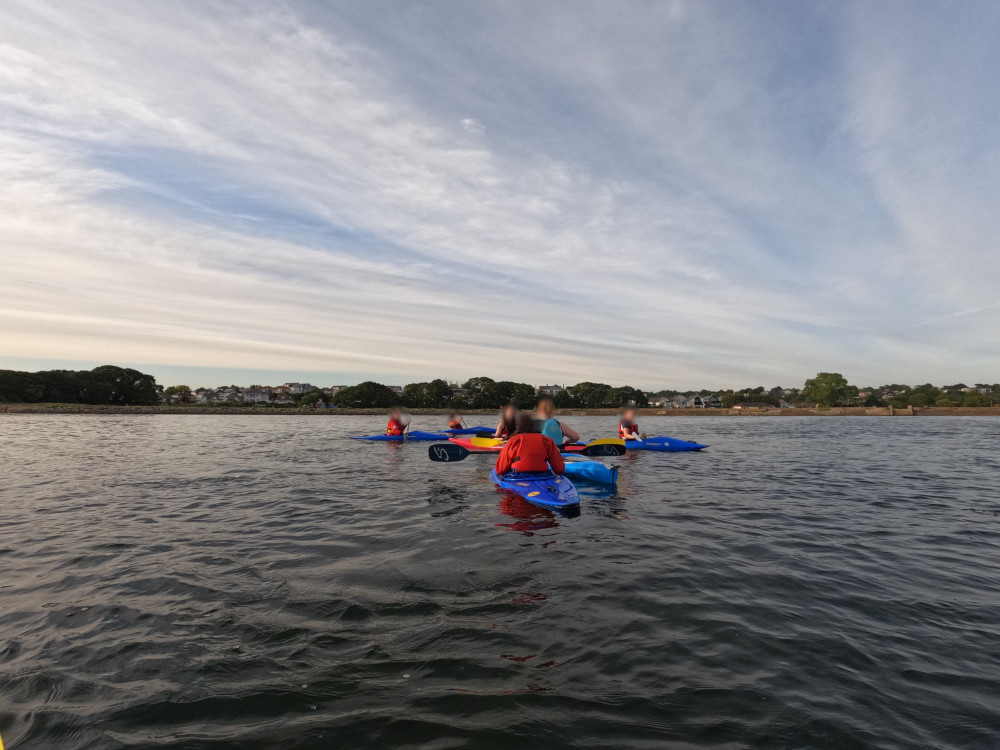
Safety in numbers, plus you’ll be surrounded by experts both in length & breadth or experience and in qualifications. This is by far the best way to build your skills, to learn how much you didn’t know you didn’t know and to spend time on the water with like-minded new friends. Clubs can be intimidating but they’re always welcoming to new members, they’ll have equipment for you to borrow or try out before you decide what to buy of your own and they’re just generally a really good way for you to improve your paddling.
Buy your own SUP/kayak
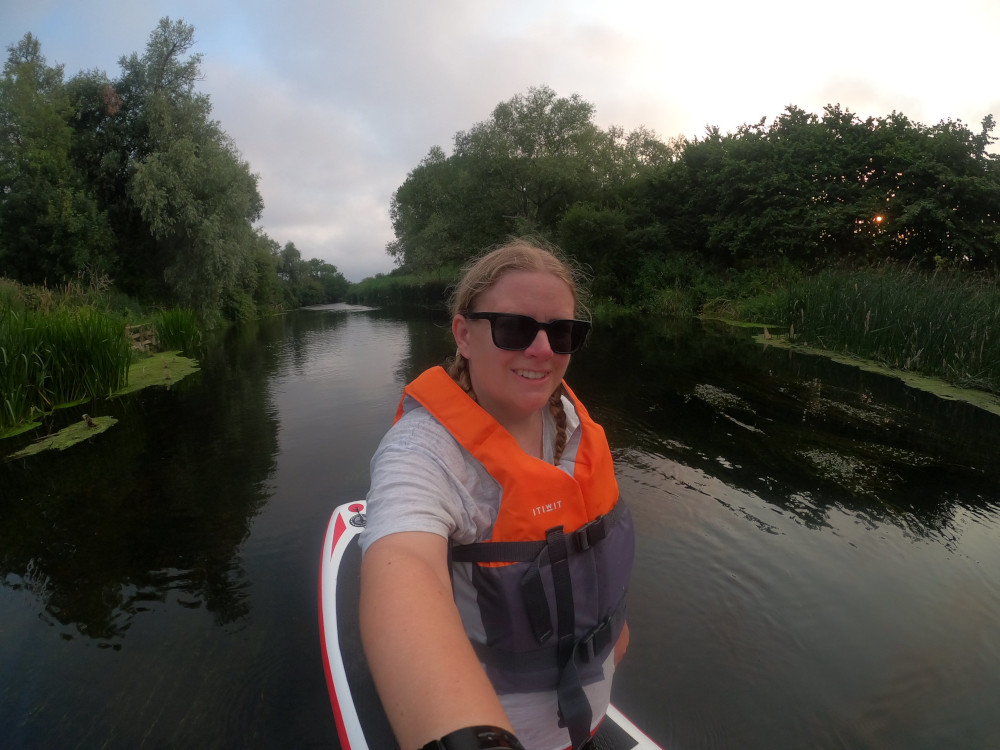
This is absolutely the worst way to get started, honestly. You know nothing about safety, tides, hazards or handling the craft. By all means, once you know the basics, then buy one – once you know you enjoy this particular pastime and once you know enough to not get yourself into serious trouble on the water, which is a lot more dangerous than it might initially look. I’d done a Girlguiding taster evening, two nice tame hires and the have-a-go session before I decided to buy my own SUP, and I knew the right safe, shallow, popular bit of water to take it out on, and I already owned a buoyancy aid and a drybag for my car keys.
 Bumblebee Paddles